
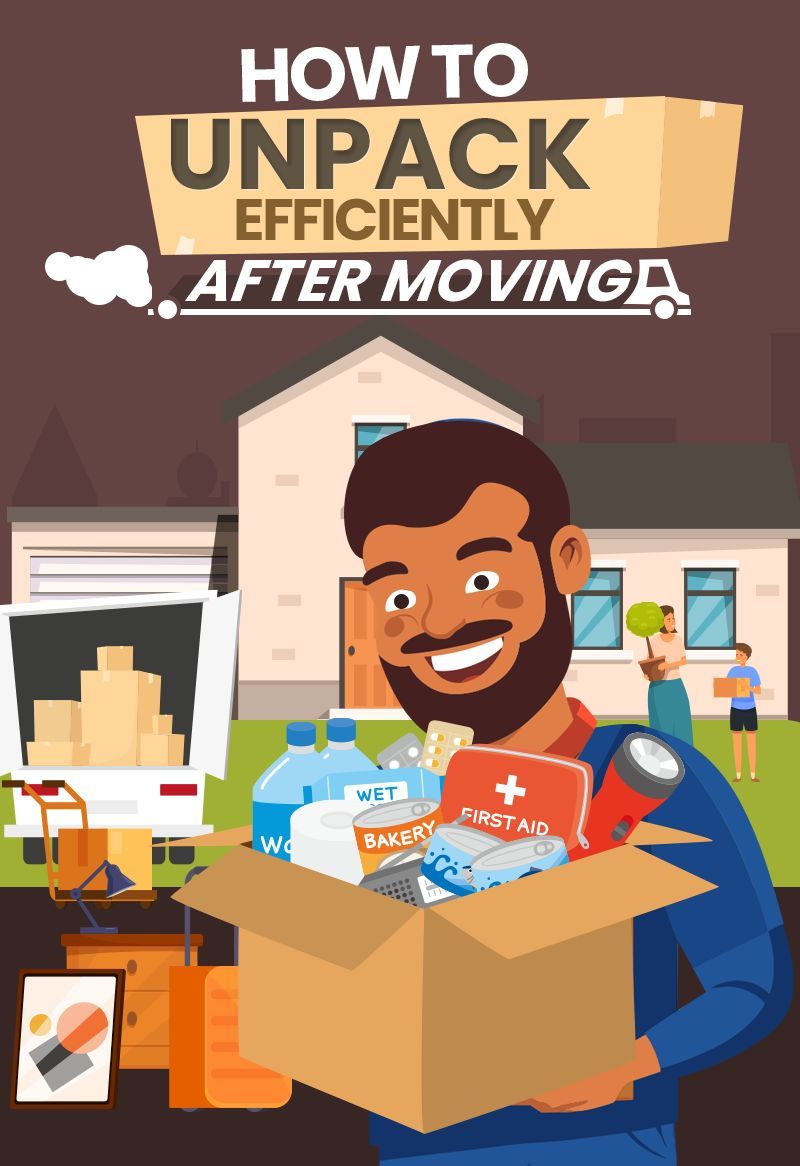









A 7-Step Practical Guide to Unpacking Efficiently After A Move

Mountains of moving boxes. An intimidating labyrinth of bags and bundles. Pieces of wrapped furniture in almost every corner. Whether you've relocated just across town or across the country, moving into a new home can be both exciting and tiring.


It’s exciting knowing that you’re starting a fresh life in your new abode. But that exhilarating feeling can quickly be replaced with dread once you realize that the moving truck has left the driveway, and you’ll need to face the daunting task of unpacking your belongings. 

Man holding an essential box smiles near a moving truck and house, with the text

It might look easier to rush through unpacking just for the sake of getting it done. But with a little organization and planning, you can make the process more manageable. Read on to see some practical tips to make unpacking a breeze so you can settle on your new home quickly and with minimal stress.

Orange background with the words

One of the smartest ways to streamline your first days in a new home is to start with an essentials box or what you can call a “Day 1” bag. Hopefully, you will have packed this beforehand. Your essentials box should contain basic necessities such as toiletries, medications, phone and computer chargers, important paperwork, simple bedding, towels, soap, toilet paper, trash bag, some snacks, and a few basic cookware or small kitchen items. Don't forget to keep basic tools such as scissors, markers, and a few box cutters handy as well.

Moving can be exhausting, especially if you have moved late in the day. By making these essentials easily accessible, your first day or two are guaranteed to be at least comfortable. You can also focus your energy on unpacking the rest of your belongings without having to search for your necessities.

Instructions for placing boxes in their rooms. A stack of boxes is on the left.

Once the essentials are taken care of, you're now ready to actually unpack. Hopefully, your boxes were clearly labelled. As you move them into the house, put them in their designated rooms and/or spaces to keep things organized. This will save you time since you won’t need to move boxes repeatedly. Whether you’re hiring movers or being assisted by friends and family, kindly ask them to put each box in the right room when they unload the truck or van to make things easier post-move.

Text on orange background: 3. Assemble and arrange your furniture. Scene of a room with a sofa.

How you approach this step may depend on your personal situation. If you don't have a lot of furniture upon moving and you’re still waiting for your orders to arrive, you can simply make this step your last. But if you’ve brought your furniture pieces from your old place to your new home, deal with these bulky items right away since these are easier to move when a room is still empty. Large pieces like beds, sofas, couches, desks, and dining tables define the layout of each room and give you a better sense of your space. Then, you can proceed to figuring out where the rest of your smaller stuff would go. Plus, they give you a place to rest.

However, for large pieces that need mechanical assembly, such as bookcases or entertainment centers, it’s better not to waste time and energy on your first few nights trying to put them together. Besides, you may not need them right away. Try to assemble them only after you’re sure where all other furniture will be placed so there’s no need to constantly disassemble and move them.

Text on orange background:

The smartest approach to unpacking after a move is to focus on one room at a time instead of having a series of messy, half-unpacked rooms. Hopefully, you'd already brought the boxes to their designated spaces to lessen your headache. Experts suggest starting with the most used areas of your home. Tackle the kitchen first, then bathrooms and bedrooms. Only then can you continue to your living/family rooms, and other receiving areas.


Try to get one room set up completely before moving on to the next one to avoid getting overwhelmed. Remember: your main goal when unpacking is to make your home liveable. Things such as framed pictures, paintings, and other artwork are mainly for aesthetic purposes, hence may have to wait until after the most needed rooms are relatively settled.

Kitchen


You and your family members are going to want to eat at some point, which is why it makes sense to tackle the kitchen first. By setting up your basic kitchen necessities, you don’t have to order pizza or Chinese takeout at least after the first few days. Plus, it makes the whole space feel more like home once you’re done with it. If you don’t have time to completely finish the kitchen, make sure to unpack only what you need. Think of what you’ll need to prepare a simple meal and unpack based on that. Some items to set up first include:


  • Glasses/Mugs
  • Everyday dishware
  • Spoons, fork, and knives
  • Chef’s knife and chopping board
  • Basic cookware such as pots and pans
  • Small appliances like coffee pot/maker, toaster, etc.
  • Potholders and oven mitts
  • Dish soap, sponge, dishrag
  • Towels, paper towels, and other cleaning materials

If you don’t expect to be preparing elaborate meals anytime soon, you can hold off on unpacking specialty cookware and bakeware until you’ve tackled other more important rooms in the house.

Bathroom


Provided the water is turned on at your new home, bathroom fixtures are pretty functional already. All you need to unpack are personal items such as towels, toiletries, body care products, medications, and other essentials. Don’t forget to hang up the shower curtain and lay out a bath mat so everyone can use the bathroom comfortably and conveniently.

Bedroom


The bedrooms are next, as you want a comfortable place to sleep the night you move in. If you’ve moved with your family, let each member unpack their bedroom, whenever applicable. Even kids can participate in unpacking their stuff to make their space more personal. 

You’d want to focus on setting up the bed first—whether it’s to assemble a bed frame or unroll a new foam mattress. Once the mattress is set up, making the bed should be fairly easy. Likewise, don’t forget to unpack your bedside table essentials, including a lamp, tissues, a book or two, and even phone chargers. For dressers and closets, remember that you don’t have to unpack your full wardrobe right away. Just prioritize a few garments you expect to wear over the next few days, together with basic shoes and some personal items.

Text on orange background: 5. Deal with less-used areas last.

Once you have the frequently used areas unpacked, you can then move on to tackle the less important rooms, such the garage, basement, patio or balcony, guest bedrooms, and other utility areas.


For the garage, prioritize any tools and materials you'll need to keep your home functional. Items for the patio, deck, or balcony can be set up at your leisure, depending on the season you’ve moved. For instance, if you’ve relocated in the summer, it’s a good idea to set up the barbecue grill fairly early so you can have an extra space to cook. If you work from home, setting up your home office is definitely a priority. If your new home has a mudroom and you’ve relocated in the fall or winter, consider dealing with it as soon as possible so that people can easily remove their shoes and coats before coming into the house.

An orange block with the words

Boxes, bubble wraps, and packing papers everywhere: this will be your home's image in the first few days (or weeks) after you move in. Packing materials will inevitably start to pile up as you unpack your things, so it’s best to do anything you can to keep clutter under control and make unpacking more manageable and less stressful.


Flatten boxes once you’ve emptied them and stack them neatly out of the way. Have a plan on whether you’re going to recycle them, save a few for storage, or offer them to someone else who’s moving soon. Gather bubble wrap, newspaper padding and other packing materials together for recycling or disposal. If you’re strapped for time, consider using an unused room or a dedicated storage area to stash all your packing materials temporarily just so they’re out of your most-used spaces.

An orange background with text

The most important thing to remember when you unpack is that there's no need to rush. Of course, who wouldn’t want to get their home set up as quickly as possible? But don’t forget that it’s perfectly fine to take your time and settle at a pace that works for you.


Tackle a few boxes or one room each day, take breaks, and enjoy the process of arranging your new home. Hang pictures and place family photos around the house as you go along to make the space feel more cozy and familiar. Celebrate your little victories, don’t set a deadline for your unpacking, and have fun in the entire process.

the Brooks Group.

Laurie Brooks is a Realtor® serving Boerne, San Antonio, and the surrounding Hill Country. She is known for honest guidance, strong advocacy, and careful attention to the details that matter long after the transaction is complete.

MOVING TO 

San Antonio.

San Antonio and Hill Country living guide.

WATCH OUR latest VIDEOS.

Share this article

Couple standing in a doorway, poster: Tips for first home buyers. Text list: Budget, finances, priorities, expenses, trusted support.
February 9, 2026
With Valentine’s Day just around the corner, it’s not only love that fills the air, but a renewed sense of commitment among couples. From lovely surprises to grand gestures, the romantic holiday serves as a catalyst for them to take the next step in their relationships, such as buying a home together.

Laurie Brooks | The Brooks Group
By Laurie Brooks February 5, 2026
Planning a move to San Antonio, TX? Get 10 boots-on-the-ground tips about neighborhoods, heat, cedar fever, schools, traffic and local culture to help you settle in.

Laurie Brooks | The Brooks Group
By Siquia Mauricio January 25, 2026
Thinking about moving to San Antonio, TX? This local guide gives an honest breakdown—friendly neighborhoods and rich culture vs. long drives, intense summer heat, and cedar allergies—to help you decide.
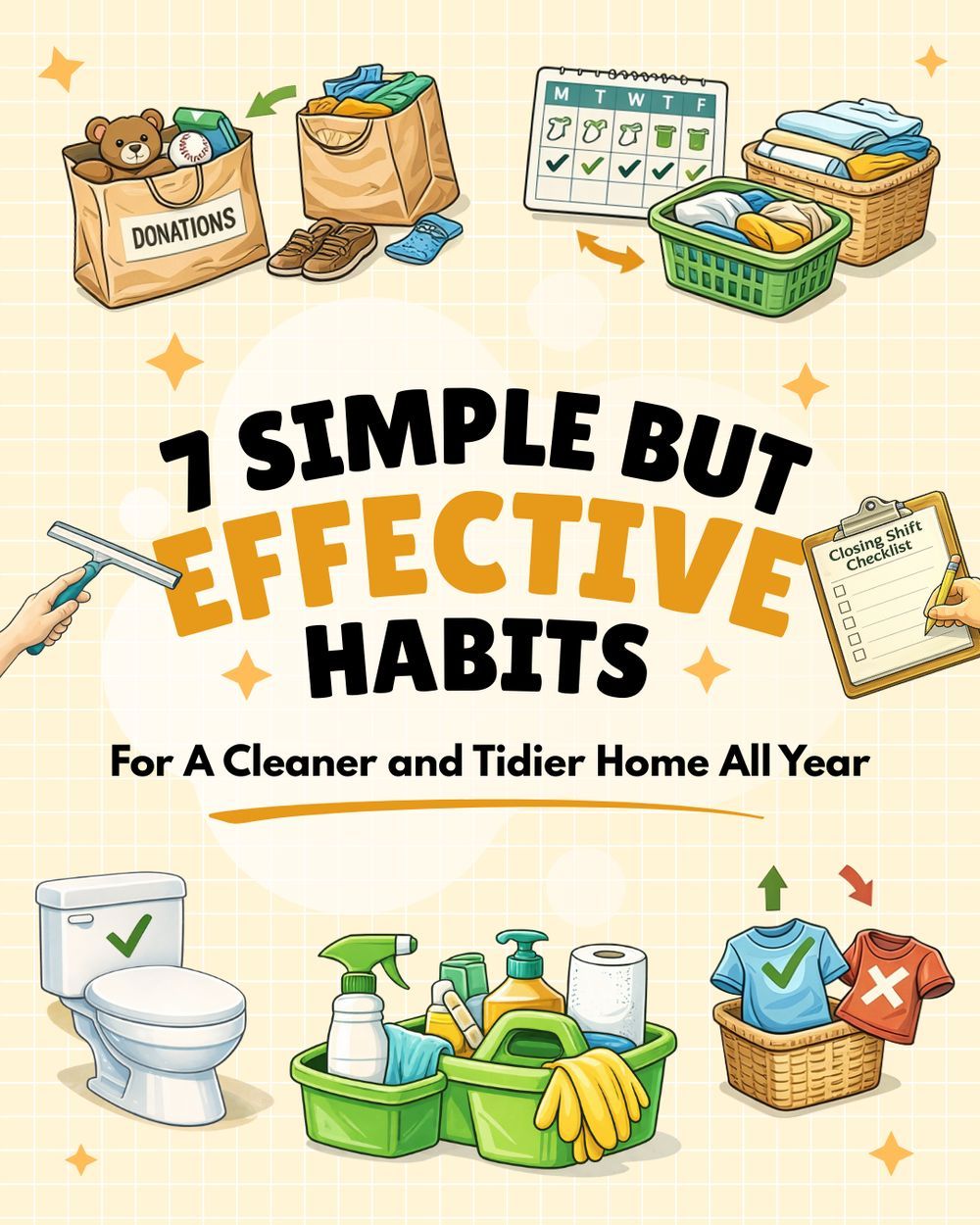
Book cover:
January 20, 2026
Aiming to have a cleaner and calmer home this year? You’re still on the right track for a fresh start. Before life gets busier and mess slowly creeps back in, we’ve rounded up small but impactful habits to start now, and which you can actually stick to for the long term.

Infographic about listing homes at the start of the year. Couple looking at a house and a list of benefits.
January 7, 2026
Listing your home at the beginning of the year can give you a competitive edge, get ahead of the market, and attract serious buyers—all of which can potentially lead to a faster, smoother sale.

Flyer:
By Laurie Brooks November 25, 2025
When selling a home, it’s not uncommon for your buyer to ask for more time before closing. This request to extend the closing date might be due to financing, inspection, paperwork delays, or life changes, among other reasons. It’s frustrating, yes, and may leave you wondering what it means for your plans and your timeline.

Show More